Website Design and Development
Custom business websites planned, designed, and built around clear offers, fast performance, search-ready structure, and long-term growth.
Service businesses, local companies, consultants, and growing teams that need a professional website built from the ground up instead of another generic template.
3-6 weeks for most projects
The problems this solves.
- Your current website looks dated or does not match the quality of your business.
- Visitors are landing on the site but not taking the next step.
- Your services are hard to understand because everything is squeezed onto one page.
- The site is slow, hard to update, or dependent on a fragile plugin stack.
- You need a stronger foundation for SEO, ads, content, and sales conversations.
What should be better after the work.
Visitors understand what you do, who it is for, why it matters, and what to do next.
The site can pre-qualify visitors with clearer service pages, examples, and stronger calls to action.
The build gives you a cleaner foundation for future pages, campaigns, blog posts, and case studies.
Everything that’s in the scope.
- Discovery session focused on your offer, audience, goals, and sales process
- Page strategy for the homepage, service pages, about page, contact flow, and supporting content
- Custom visual design tailored to your brand, market, and customer expectations
- Responsive development for desktop, tablet, and mobile
- Performance, accessibility, metadata, and technical SEO foundations
- CMS setup so your team can edit content without needing a developer for every change
- Launch checklist, analytics handoff, and post-launch support window
How we work together.
We start with your offer, audience, goals, and existing content. From there we plan the page structure, design the core experience, build the site, run a quality pass, and launch with the pieces needed to keep improving.
What affects cost and timeline.
- Number of unique page templates and service pages
- How much strategy, copywriting, and content cleanup is needed
- CMS requirements and editing workflow complexity
- Integrations such as forms, CRM, payments, booking, or email tools
- Custom visual direction, illustration, photography, or brand system needs
- Post-launch support, migration, redirects, and analytics setup
The full picture.
Custom business websites should make the next step obvious
Your website is usually the first serious sales conversation a customer has with your business. It should explain the offer, remove confusion, build trust, and guide people toward the right action without making them work for it.
For most small businesses, that means the site needs more than a good-looking homepage. It needs focused service pages, proof, clear calls to action, fast loading, clean mobile layouts, and a structure that can support future SEO content.
What a strong business website usually includes
A complete business website often needs:
- A homepage that explains the business quickly.
- Service pages for the offers people actually search for.
- A project or case study area for proof.
- An about page that builds trust without becoming a biography.
- Contact or booking flows that make inquiry easy.
- Blog or resource pages for long-tail search content.
- A CMS so the site can grow without a rebuild.
The exact structure depends on the business. A moving company, breeder, consultant, contractor, and software-enabled service business should not all have the same website architecture.
Custom website vs template website
Templates are useful when the business needs something simple and the content already fits the template. Custom development is a better fit when the site needs to explain a more specific offer, support SEO pages, connect to tools, or create a more credible buying experience.
A custom build lets the structure follow the business instead of forcing the business into the structure. That matters when the website is expected to generate leads, support campaigns, publish content, or become the foundation for client portals and automations later.
What happens after launch
Launch is not the finish line. After the site is live, the best next steps are usually:
- Watch analytics and form submissions.
- Review Search Console indexing.
- Add case studies as real projects ship.
- Expand service pages around high-intent searches.
- Improve pages based on sales questions.
- Keep technical maintenance handled.
A good website should be easy to improve. The build should give you a stable starting point, not a static brochure that becomes stale again in six months.
Related case studies.
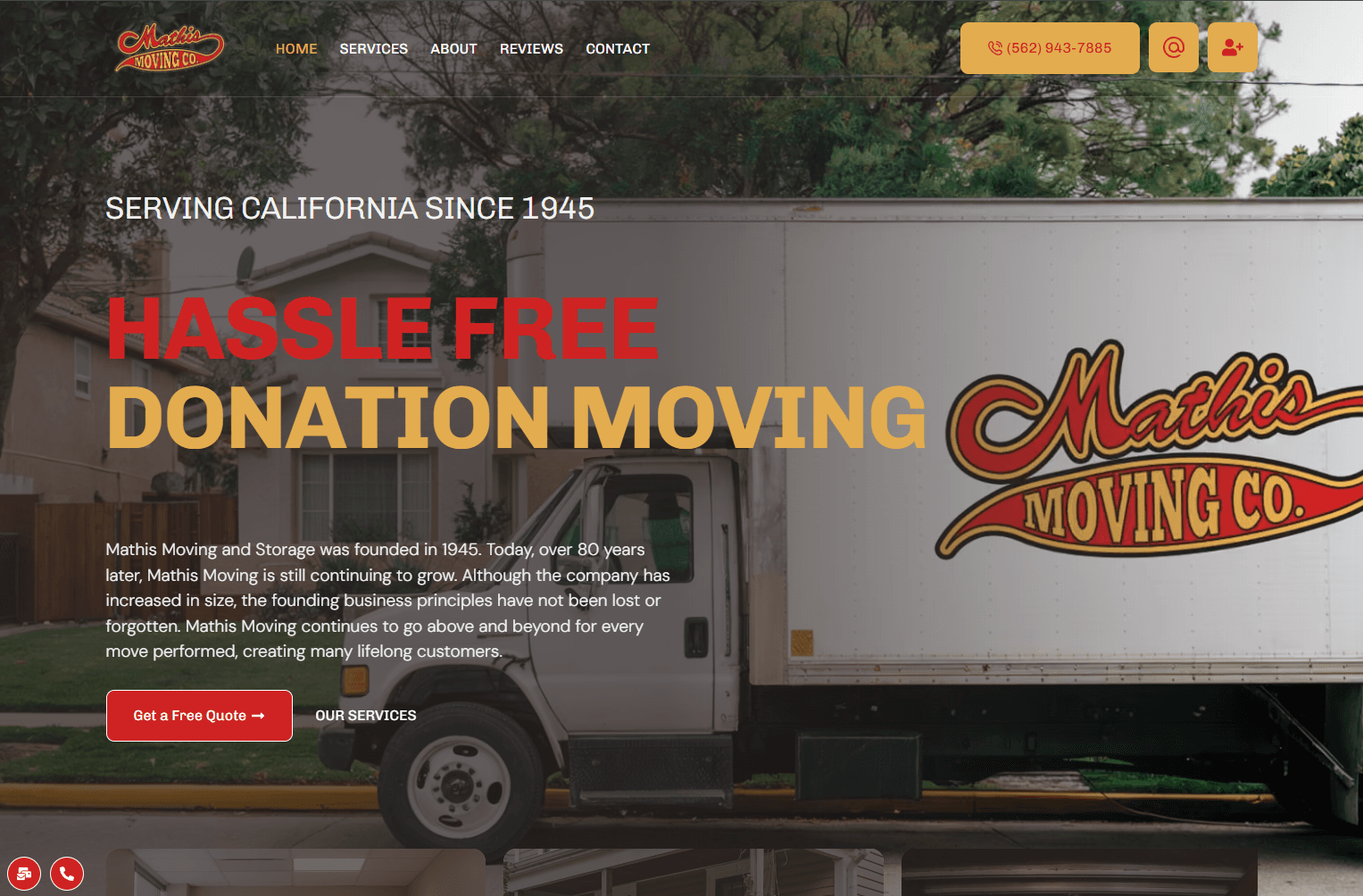
Mathis Moving
Full website rebuild for a moving company whose old site was broken, outdated, and losing leads — replaced with a modern, conversion-focused build from the ground up.
View case study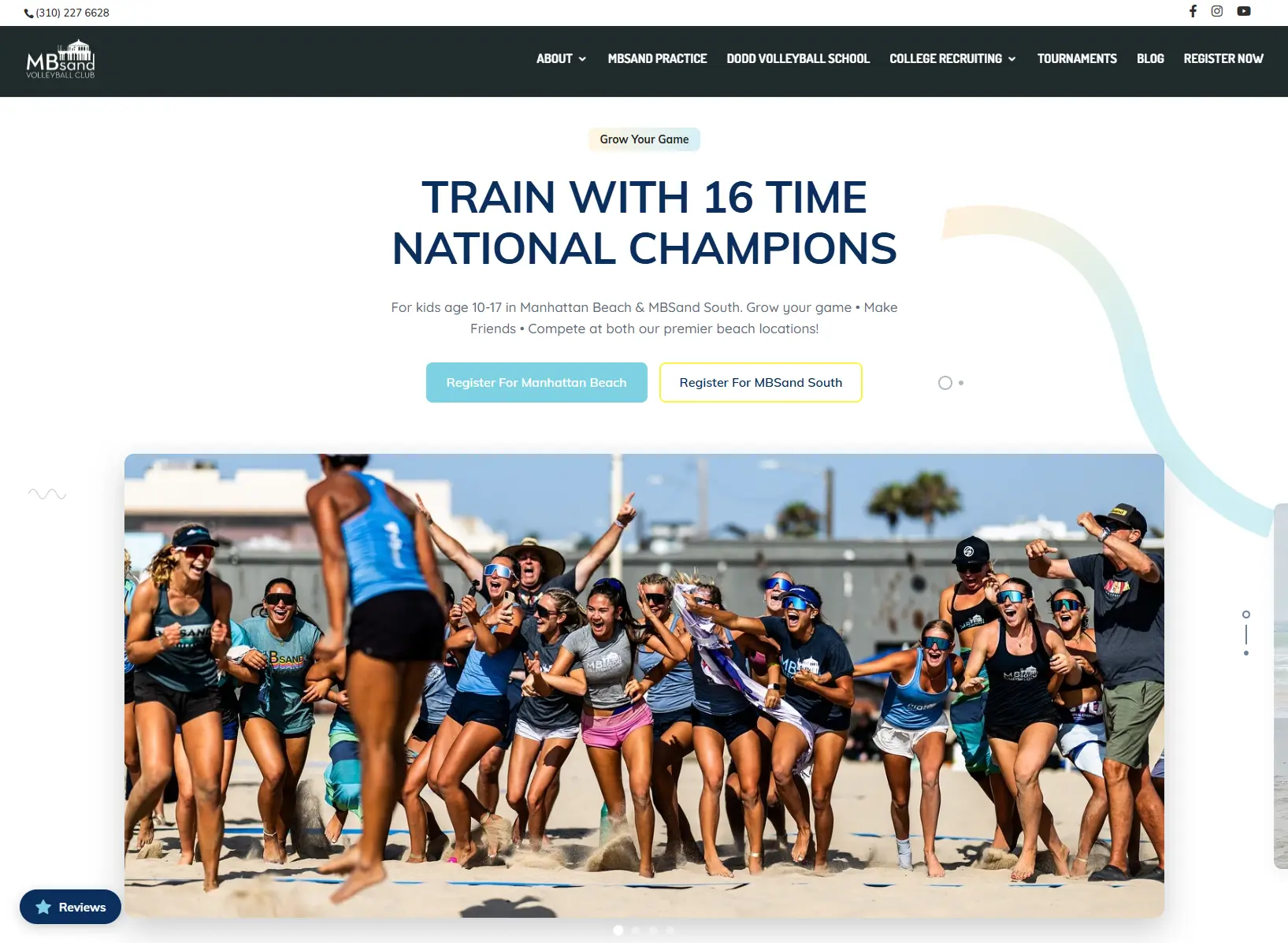
MB Sand
Homepage redesign built around a brand-new visual identity — a modern, polished landing experience that introduces the rebranded business to its customers.
View case study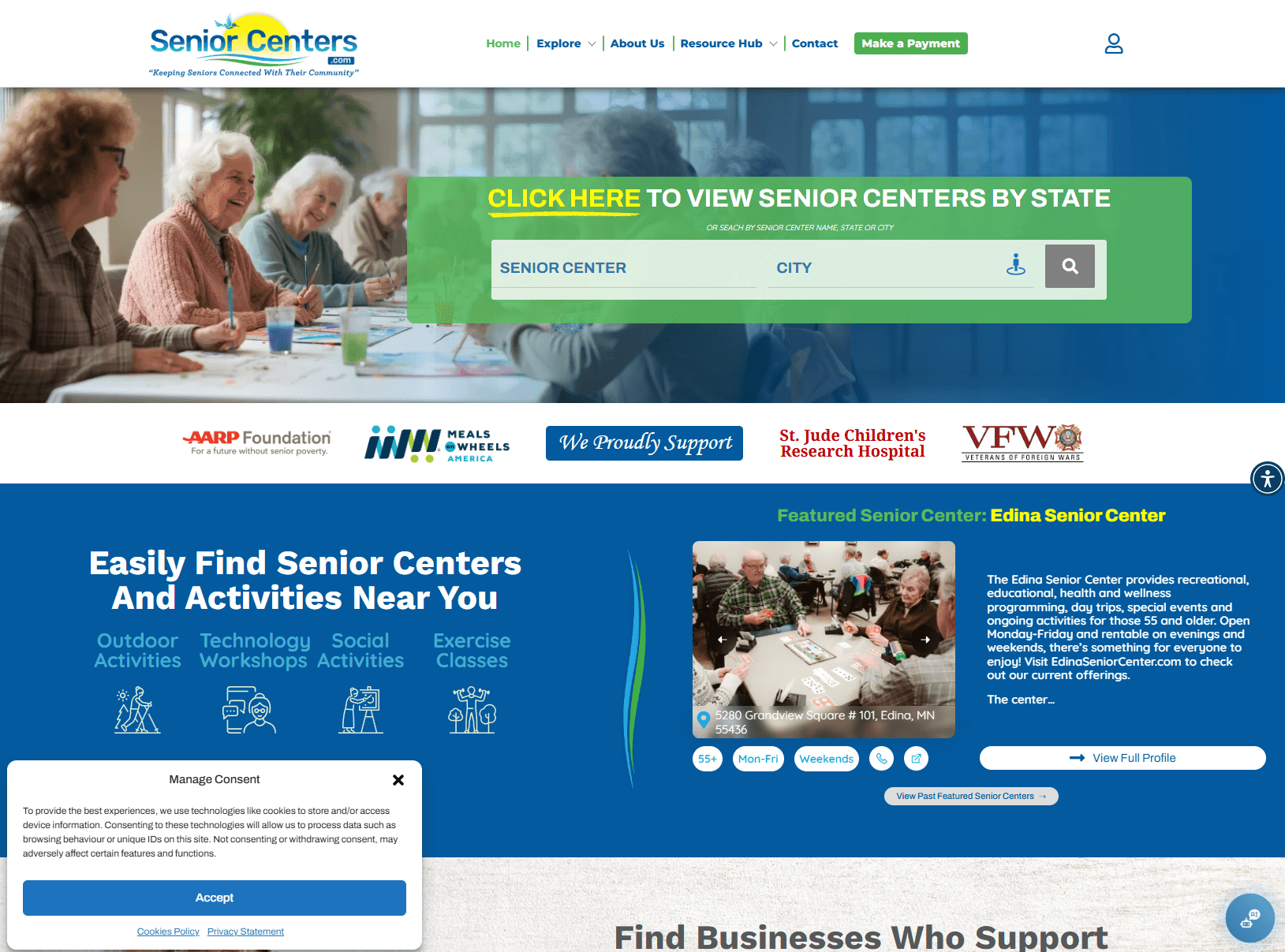
SeniorCenters.com
A two-year SEO and product build for a senior services directory — grew organic traffic to a peak of 30,000+ visitors per month, sustained at 15,000–20,000 monthly. Includes a custom billing dashboard, online payments, and a purpose-built ad management system for advertisers.
View case studyKeep exploring the topic.
Questions buyers usually ask.
How is this different from using a website template?
A template gives you a starting layout. A custom website build starts with your offer, customers, content, and conversion path. The goal is not just to make pages look good; it is to make the site easier to understand, easier to trust, and easier to grow.
Can I edit the site after launch?
Yes. The site can include a CMS for pages, projects, blog posts, services, and other repeatable content. The editing setup depends on what your team needs to change regularly.
Do you write the website copy?
We can help shape page structure, messaging, and SEO-focused copy. Some clients bring final copy, some bring rough notes, and some need heavier content support before design starts.
Will the site be built with SEO in mind?
Yes. The build includes clean structure, metadata foundations, accessible markup, performance considerations, and page systems that support future SEO content.
Ready to get started?
Tell us about your project. We’ll come back with a clear plan and an honest timeline.