
SEO-Focused Website Builds
Search-ready website builds with clear service architecture, fast performance, accessible markup, metadata foundations, and content systems built for long-term organic growth.
Businesses that want organic search built into the website foundation instead of treated as a cleanup project after launch.
3-6 weeks for most builds
The problems this solves.
- SEO is being treated as an afterthought instead of a site architecture decision.
- Important services are not getting dedicated pages.
- The site has thin pages that do not answer buyer questions.
- Search engines and visitors have a hard time understanding the hierarchy of the site.
- Technical issues like slow pages, missing metadata, poor headings, or weak internal links are limiting growth.
What should be better after the work.
The site is organized around the services, questions, and proof that customers actually search for.
Fast pages, semantic markup, metadata, and internal links give future content a stronger foundation.
The CMS and page systems make it easier to publish service pages, blogs, projects, and resources.
Everything that’s in the scope.
- Search-intent and service architecture planning
- Information architecture for services, locations, projects, and content hubs
- Page templates built for headings, internal links, metadata, and structured content
- Performance-focused implementation and image handling
- Accessibility-conscious markup and semantic page structure
- Technical launch checklist for indexing, sitemap, redirects, and analytics
- Guidance for future blog posts, case studies, and landing pages
How we work together.
We plan the site around the services, topics, and locations that matter to the business. Then we build clean page templates and technical foundations that make future content easier to publish and maintain.
What affects cost and timeline.
- Number of services, topics, and landing pages that need to be planned
- Depth of content strategy and keyword mapping
- Whether redirects, migration, or existing search cleanup is required
- Need for structured data, case study systems, blog templates, or location content
- Performance targets and technical complexity of the build
The full picture.
SEO starts with the structure of the website
Search performance is not only about blog posts or plugins. It starts with whether the website is organized in a way that helps people and search engines understand what the business does.
An SEO-focused build gives important services their own pages, groups related topics together, uses clear headings, creates internal links, and makes the site fast enough that users can actually move through it.
What technical SEO looks like in a build
The technical foundation usually includes:
- Clean route and URL structure.
- Unique page titles and descriptions.
- Semantic headings and readable sections.
- Internal links between services, blogs, and projects.
- Fast image loading and responsive media.
- Sitemap and robots setup.
- Redirect planning when replacing an old site.
- Structured data where it accurately describes the page.
- Accessible markup and usable mobile layouts.
None of these replace useful content. They help useful content get discovered, understood, and trusted.
Content systems matter
A site that is built for SEO should be easy to expand. That means the CMS should support service pages, case studies, blog posts, FAQs, images, and metadata without requiring a developer for every update.
This is especially important for service businesses. Most organic growth comes from answering specific questions over time: what the service includes, when to choose it, what it costs, what can go wrong, and what proof exists.
Avoid thin SEO pages
Adding dozens of nearly identical pages is not a strategy. Each service page should have a clear purpose, original detail, proof, FAQs, internal links, and enough substance to help a buyer decide whether the service fits.
The goal is not to trick search engines. The goal is to make the site genuinely easier to use and easier to understand.
Related case studies.
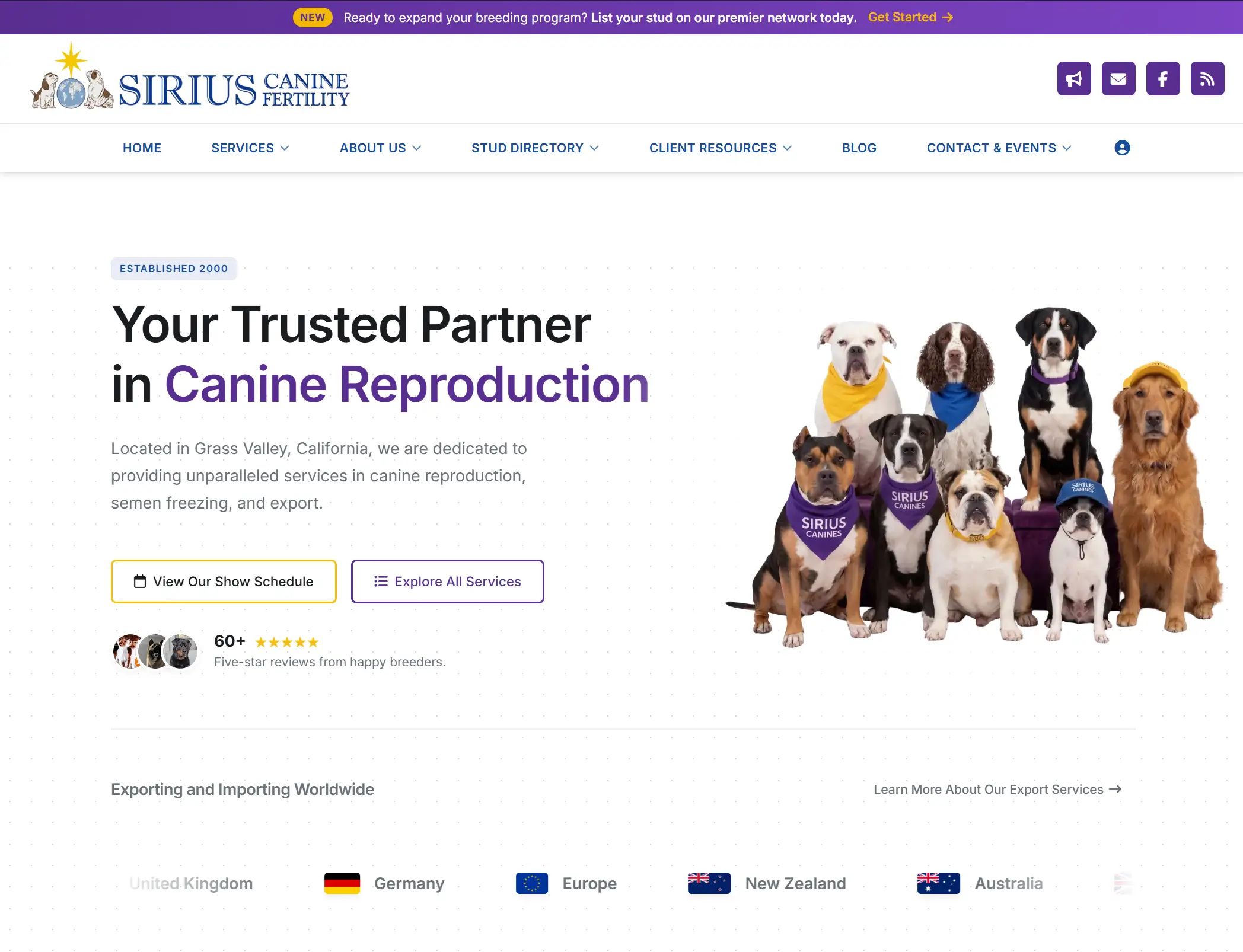
Sirius Canine Fertility
A complete website rebuild, service-page SEO overhaul, and custom customer dashboard for a canine fertility and semen storage facility with inventory, shipment, collection, PDF, and admin workflows built around the business.
View case study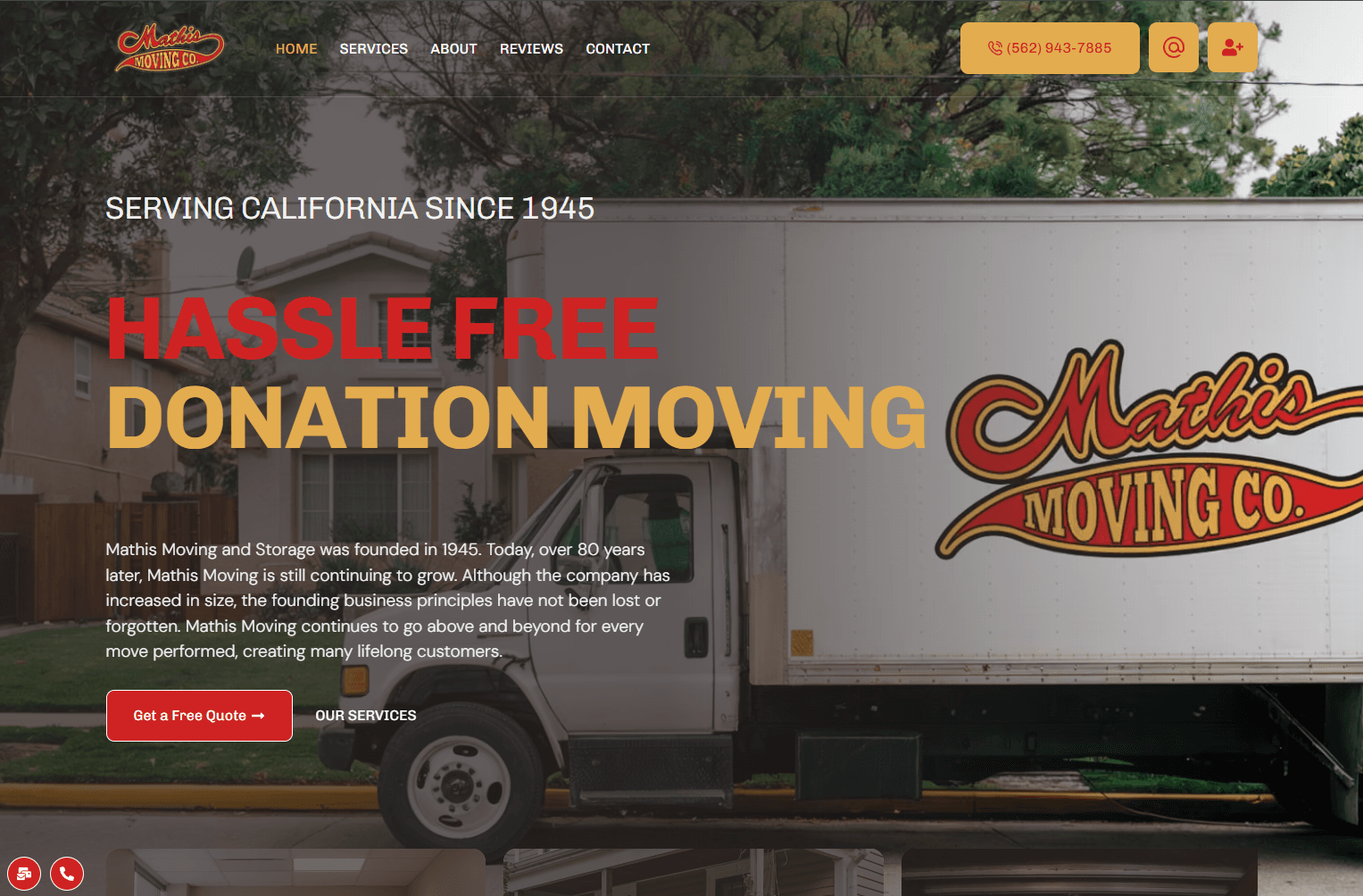
Mathis Moving
Full website rebuild for a moving company whose old site was broken, outdated, and losing leads — replaced with a modern, conversion-focused build from the ground up.
View case study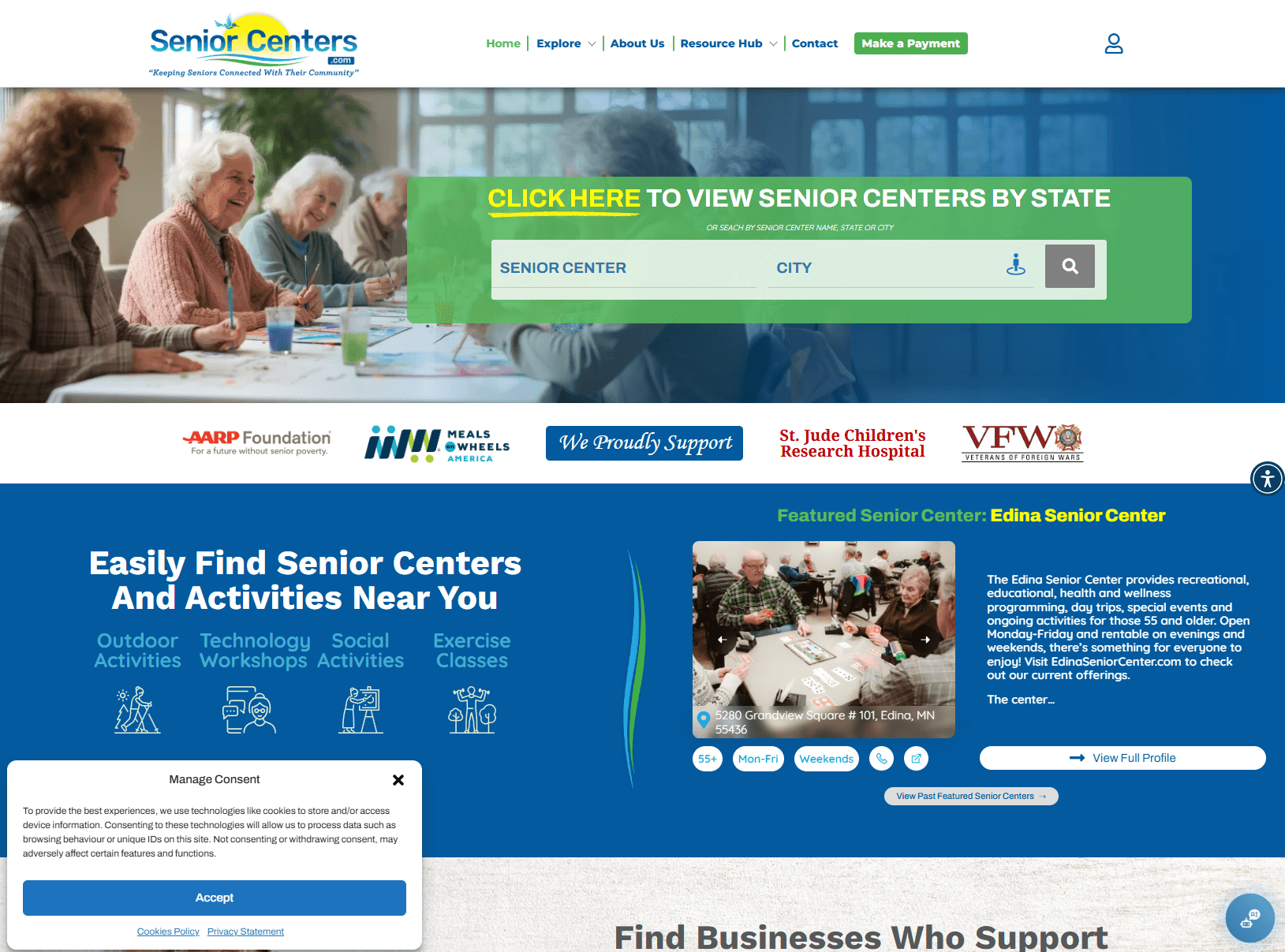
SeniorCenters.com
A two-year SEO and product build for a senior services directory — grew organic traffic to a peak of 30,000+ visitors per month, sustained at 15,000–20,000 monthly. Includes a custom billing dashboard, online payments, and a purpose-built ad management system for advertisers.
View case studyKeep exploring the topic.
Questions buyers usually ask.
Is this the same as monthly SEO?
No. This service focuses on building the technical and structural foundation of the website. Monthly SEO usually comes later and may include ongoing content, link earning, reporting, and optimization.
Do you guarantee rankings?
No responsible SEO-focused build can guarantee rankings. The goal is to give your content the best possible foundation: clear structure, fast pages, useful content systems, metadata, internal links, and launch hygiene.
What kind of keywords do you build around?
The strongest early opportunities are usually specific service and problem-based searches, not broad competitive terms. Examples include website redesign for small business, custom client portal for service business, or monthly website maintenance plan.
Can this include blog strategy?
Yes. The build can include content hubs, blog templates, internal linking patterns, and a first set of topics that support the service pages.
Ready to get started?
Tell us about your project. We’ll come back with a clear plan and an honest timeline.