
Local SEO for Service Businesses: How to Rank in Your Service Area
A practical local SEO guide for service businesses. Rank in your service area with Google Business Profile, location pages, citations, schema, and reviews.
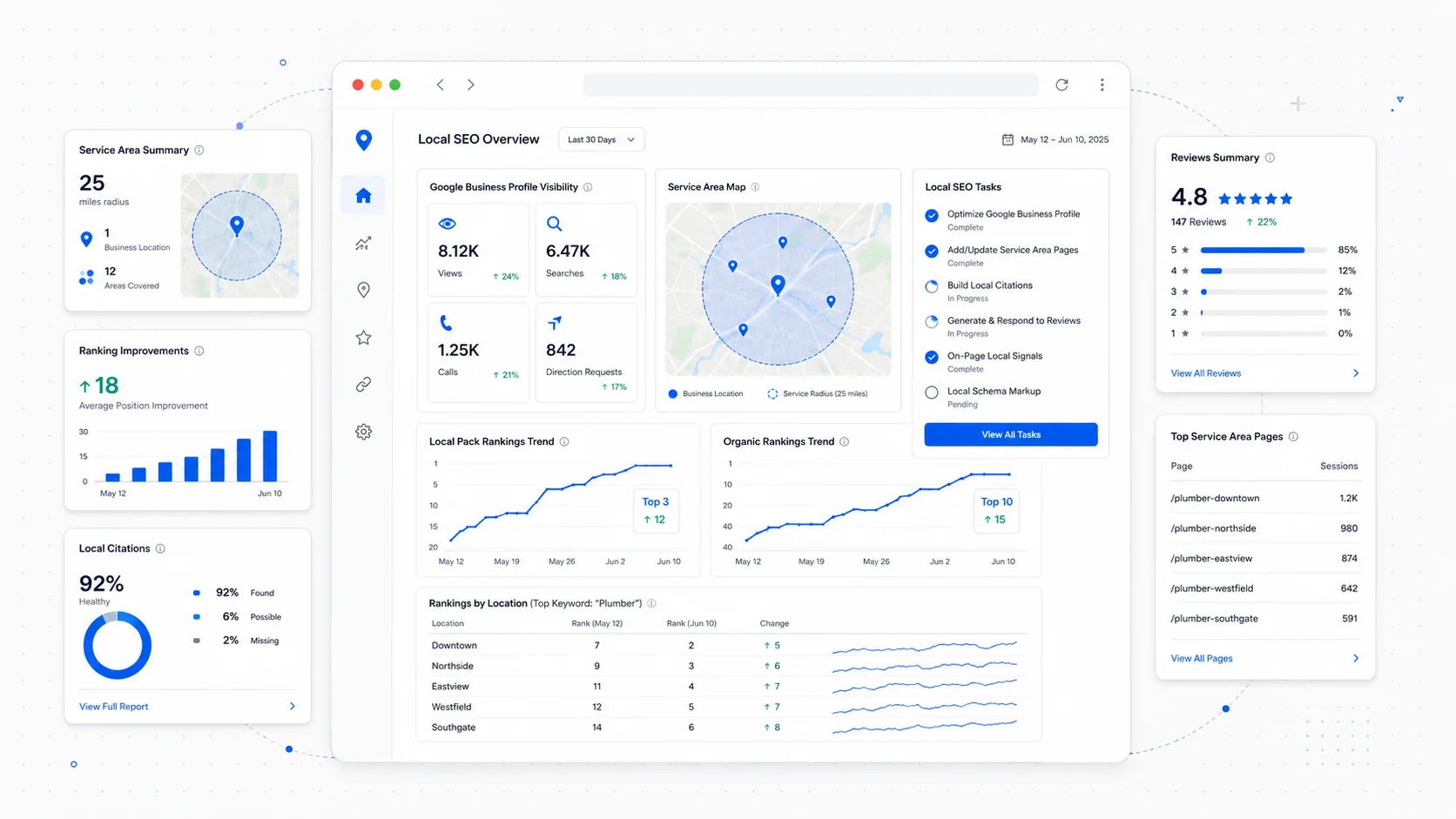
Most service businesses do not need to rank everywhere. They need to rank in the places where they actually take jobs. A plumber serving three towns, a moving company covering a metro area, a personal injury lawyer focused on one county — none of them benefit from being the 47th result for a national keyword. They need to be the obvious local choice when someone nearby searches for help.
That is what local SEO is for. It is the work of telling Google, accurately and consistently, what you do, where you do it, and who trusts you to do it well. Done right, it pulls in calls and form fills from people who already need the service, already live in your area, and are usually ready to hire within the week.
Google's local search ranking guidance describes three signals that drive results in the map pack and local listings: relevance, distance, and prominence. Everything in this guide is a way to influence one of those three.
Start With a Complete Google Business Profile
For most service businesses, Google Business Profile is the single most valuable local SEO asset. It controls the map pack, your knowledge panel, your reviews, and the click-to-call button on mobile.
Treat the profile like a real page on your site:
- Use your exact legal business name. No keyword stuffing.
- Pick the most specific primary category that fits, then add relevant secondary categories.
- Set accurate service areas (cities or zip codes), not a service radius that includes places you do not serve.
- Hide your address if you work from a home base or visit clients on-site. Service-area businesses should not display a physical location they do not staff.
- Add every service you offer, with a short description for each.
- Upload real photos of work, vehicles, the team, and finished projects. Avoid stock images.
- Keep hours, holiday hours, and contact information current.
Once the profile is complete, post regularly. Updates, project highlights, seasonal offers, and answered questions all signal that the listing is active. Google's Business Profile help center has the current rules around prohibited content, suspensions, and verification — read them before experimenting.
Build Real Service-Area and Location Pages
Google needs to see geographic intent on your website, not just your map listing. That usually means dedicated pages for the places you serve and the services you offer in each one.
Two patterns work well:
- Service-area pages: one page per major town, neighborhood, or county you cover. Useful when you offer the same service across a wide area.
- Service + location pages: one page per service in each location (for example, "emergency drain cleaning in [town]"). Useful when search demand is strong and you want to compete for specific local queries.
Whichever you choose, the pages need to be genuinely useful. Avoid the old playbook of cloning a single template and swapping the city name. That approach reads as thin content and rarely ranks. Strong service-area pages include:
- Specific neighborhoods, landmarks, or zip codes you serve.
- Local jobs you have completed, with photos if possible.
- Travel notes, parking notes, or service quirks unique to that area.
- Local reviews or testimonials.
- The same trust signals you would put on any service page: process, pricing logic, what to expect.
If you are starting from scratch or your current site is a wall of generic text, our SEO-focused website builds page covers the structure we use for service businesses that need to rank locally without relying on tricks.
Get Your Citations and NAP Consistent
Citations are mentions of your business name, address, and phone number (NAP) on other websites — directories, industry sites, chambers of commerce, review platforms, local news. Google uses them as a consistency check. If your phone number is one digit off on Yelp, your hours are wrong on Bing Places, and your address has a different abbreviation on Apple Maps, Google has less confidence that the business is real and stable.
The fix is unglamorous but effective:
- Pick one canonical version of your name, address, and phone.
- Update the major data aggregators and directories first: Google Business Profile, Bing Places, Apple Business Connect, Yelp, Facebook, and the top industry-specific platforms (HomeAdvisor, Avvo, Houzz, Clutch — whichever fits your trade).
- Then work through smaller niche and local directories.
- Audit at least once a year. Phone numbers change, suites move, business names get tweaked.
You do not need hundreds of citations. You need accurate ones in the places customers and Google actually look.
Earn Reviews, Then Respond to Them
Reviews influence both ranking and conversion. They are one of the clearest "prominence" signals Google uses, and they directly affect whether a searcher clicks your listing instead of the one above it.
A reasonable review process for a small service business:
- Ask every happy customer, every time, soon after the job is done.
- Send a short message with a direct link to the Google review form.
- Make it easy on mobile. Most reviews are written from a phone in the driveway, not at a desk.
- Respond to every review, positive or negative, within a few days.
- Keep responses short, specific, and human. Thank by name when possible.
Negative reviews are not the disaster they feel like. A measured, professional response to a complaint often reassures future customers more than five generic five-star reviews would.
Add LocalBusiness Schema to Your Site
Structured data does not magically improve rankings, but it helps Google understand your business clearly and can unlock richer search results. For a local service business, the most important type is LocalBusiness (or a more specific subtype like Plumber, MovingCompany, Attorney, HVACBusiness).
A solid schema setup includes:
- Business name, address (or service area), and phone.
- Geographic coordinates if you have a physical location.
- Hours of operation.
- Services offered.
- Aggregate rating, if you have verified reviews on your own site.
- Links to your social profiles and Google Business Profile.
Google's structured data guidelines for local businesses cover the required and recommended properties. Add the markup, then validate it with the Rich Results Test before you ship.
If schema feels abstract, our practical guide to schema markup walks through the types that actually matter for small business sites.
Make the Site Fast, Mobile-Friendly, and Easy to Contact
Local searchers are usually on a phone, often in a hurry, and rarely patient. The same site experience that helps you convert calls also helps you rank.
The non-negotiables:
- Sub-three-second loads on mobile.
- A visible phone number on every page, click-to-call enabled.
- A short, obvious contact form above the fold on service pages.
- Clear service area information so people do not have to guess if you cover them.
- No intrusive popups that block the content.
If your current site is slow, dated, or hard to use on mobile, a website redesign is often the highest-leverage local SEO investment you can make. Speed and clarity move both rankings and conversions at the same time.
Build Local Links the Honest Way
For a small service business, you do not need a big link-building campaign. You need a handful of credible local mentions:
- Your local chamber of commerce or BBB.
- Sponsorships of local sports teams, charities, or events.
- Guest posts or interviews on local news sites and blogs.
- Partnerships with related (non-competing) local businesses.
- Industry associations specific to your trade.
These links carry geographic context that generic backlinks do not. A mention from a local newspaper or community organization tells Google your business is part of the area, not just claiming to serve it.
Track What Actually Drives Calls
Local SEO without measurement is guesswork. At a minimum, track:
- Map-pack impressions and actions inside Google Business Profile insights.
- Organic landing page traffic to your service-area and service pages.
- Phone calls from the site, ideally with call tracking.
- Form submissions, with the source page recorded.
- Reviews per month and average rating over time.
Review the numbers monthly, not daily. Local SEO compounds over quarters, not weeks. The businesses that win in their service area are usually the ones that did the unglamorous work — accurate listings, real reviews, useful pages, fast site — for longer than their competitors were willing to.
If you are ready to take local SEO seriously and want a site built around the way your customers actually search, Sites That Grow builds local-first sites that rank in defined service areas and convert the people who find them.
More posts from the blog.
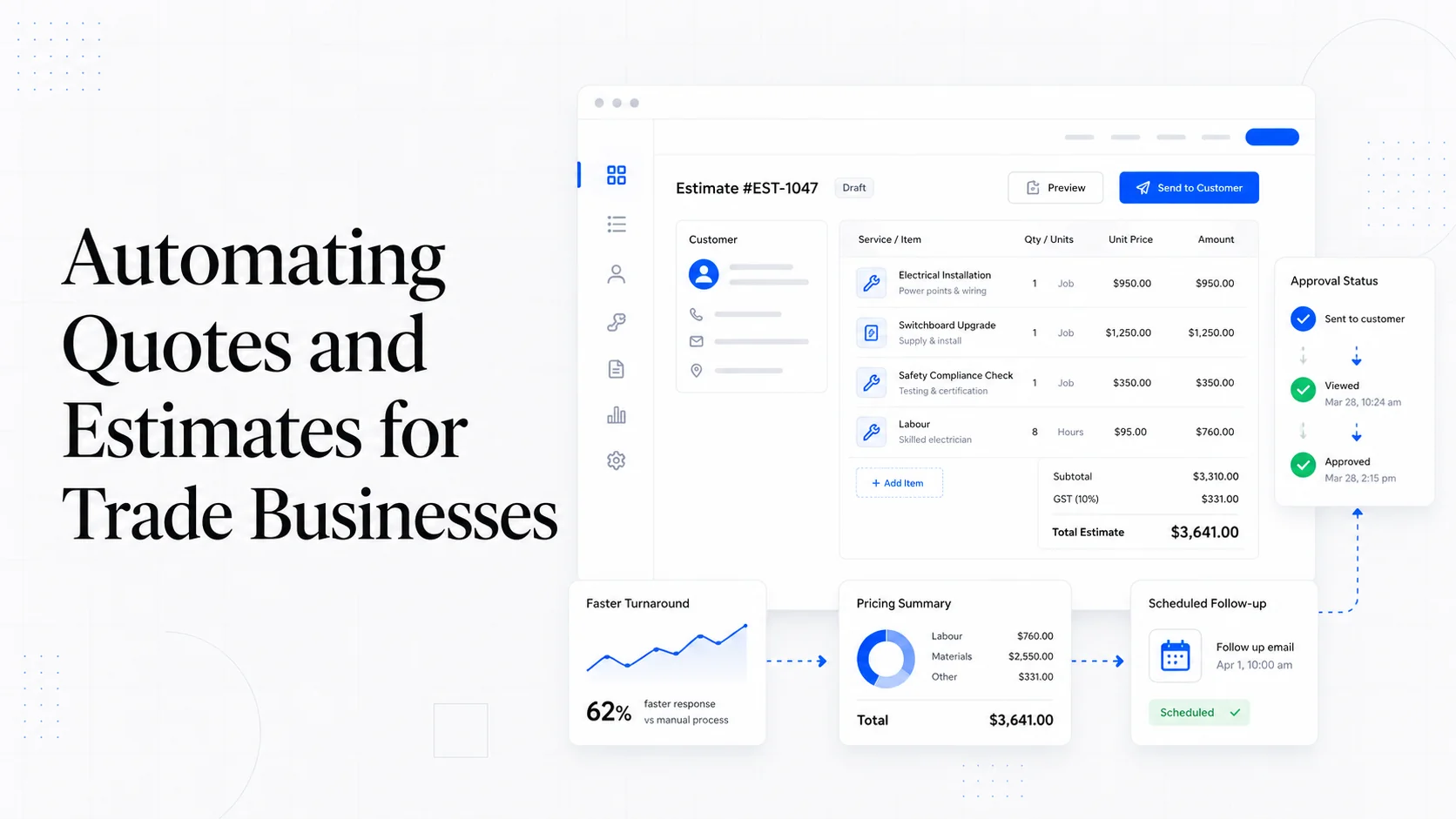
From Contact Form to CRM: The Minimum Lead Pipeline Every Service Business Should Automate
A practical lead pipeline for service businesses: connect forms, calls, email, CRM records, reminders, follow-ups, and reporting so good leads stop disappearing.
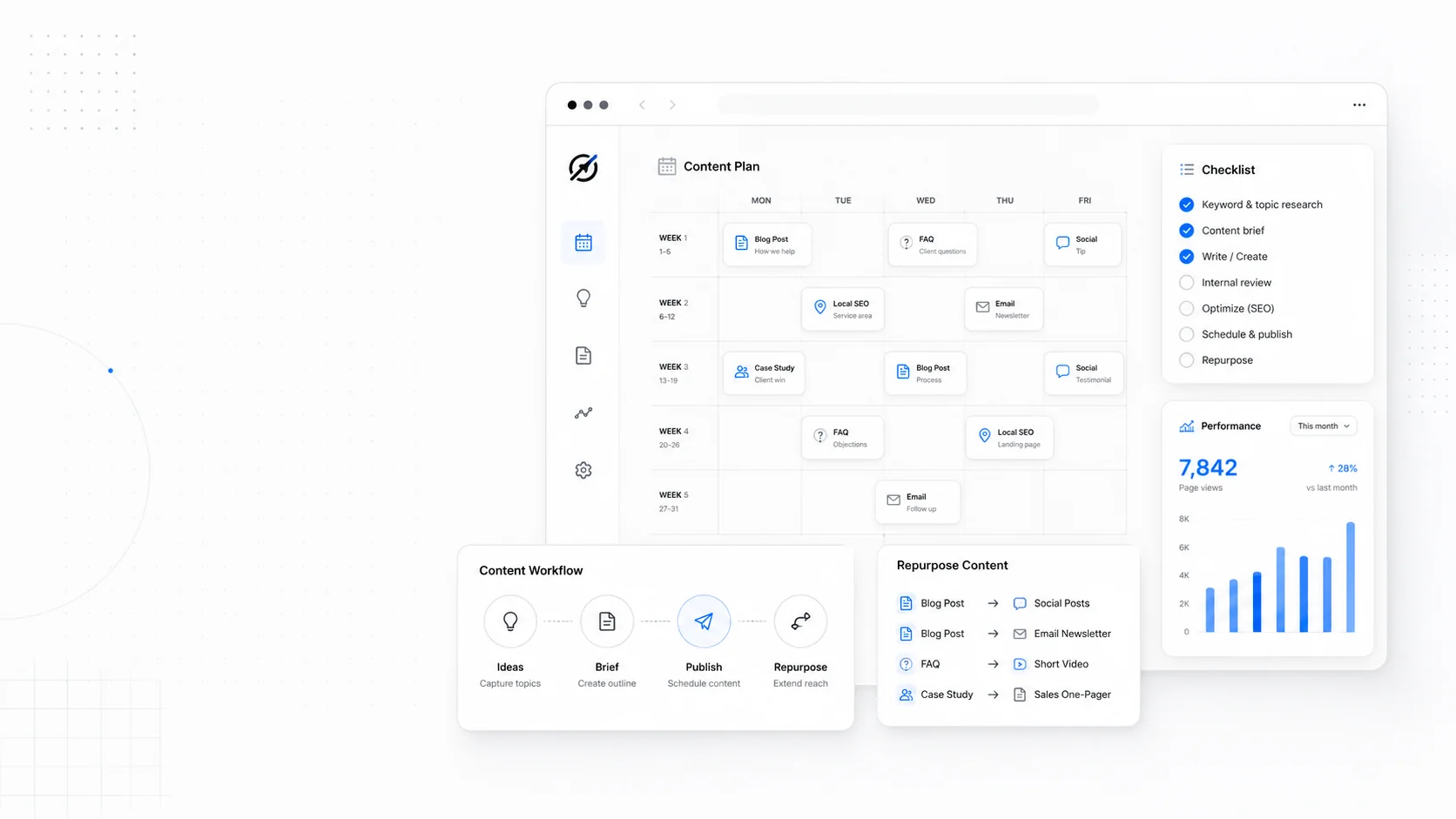
The 2026 Website Content Refresh Playbook: Updating Old Pages Without Breaking SEO
A practical content refresh process for small business websites: how to update stale pages, preserve rankings, improve AI search visibility, and avoid SEO mistakes.

The AI Chat Widget Decision: When It Helps Leads and When It Hurts Trust
AI chat widgets can qualify leads and answer common questions, but they can also slow the site, invent answers, mishandle privacy, and damage trust. Here is how to decide.
Keep reading?
More field notes from building modern websites and software for real businesses.